China Travel Guide 2026: What to Know Before You Go
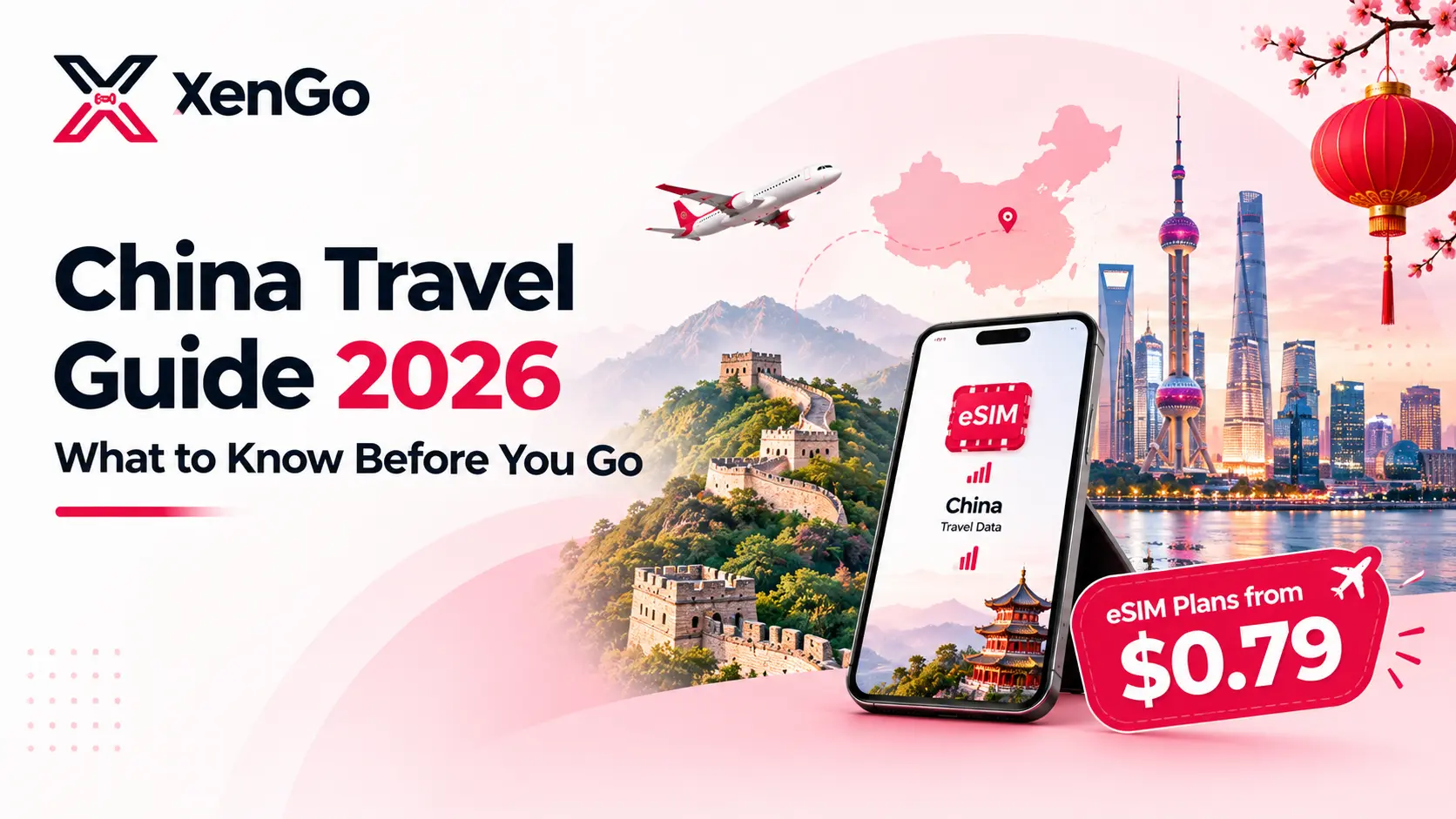
China is one of the world's most fascinating travel destinations, offering an incredible combination of ancient history, modern cities, breathtaking landscapes, and unforgettable food.
From walking along the Great Wall of China in Beijing to exploring the futuristic skyline of Shanghai, visiting the Terracotta Army in Xi'an, or enjoying the natural beauty of Guilin and Yangshuo, there is something for almost every type of traveler.
But traveling to China can be different from visiting many other international destinations. Transportation, digital payments, language, internet access, accommodation, and mobile connectivity are all things you should prepare before your trip.
If you're planning your first trip to China in 2026, this guide will help you understand what to expect, where to go, how to get around, what to eat, how much to budget, and most importantly, how to stay connected while you're there.
And if you're looking for affordable mobile data, XenGo China eSIM plans start from just $0.79.
Before You Travel to China: What Should You Prepare?
A successful China trip starts before you leave home.
Before booking your flight, make sure you understand the entry requirements for your nationality and have all the documents and travel essentials you need.
Visa and entry requirements can vary depending on your passport, nationality, purpose of travel, and the current regulations in place. Because these requirements can change, always check the latest information from the relevant Chinese embassy or official immigration authorities before traveling.
Your China Travel Checklist
- Check your passport validity.
- Confirm whether you need a visa or qualify for a visa-free entry policy.
- Book your accommodation before traveling.
- Save your hotel address in both English and Chinese.
- Prepare your preferred payment methods.
- Download the travel apps you expect to use.
- Check that your smartphone supports eSIM.
- Purchase your China eSIM before departure.
- Install your eSIM before your flight.
- Carry a power bank for long sightseeing days.
Preparing these things in advance can save you a lot of stress once you arrive.
When Is the Best Time to Visit China?
China is a huge country, so there isn't one perfect travel season for every destination.
The weather can vary significantly between northern cities such as Beijing, eastern cities such as Shanghai, and southern destinations such as Guilin.
For many travelers, spring and autumn are comfortable seasons for exploring popular destinations because temperatures are generally more pleasant for sightseeing.
Spring — March to May
Spring is a beautiful time to explore many parts of China. Temperatures are generally comfortable, and parks, gardens, and natural areas begin to come alive.
It's a good season for walking tours, sightseeing, photography, and outdoor attractions.
Summer — June to August
Summer is a popular travel period, especially for families and students.
However, some major cities can become hot and humid. If you're traveling during summer, plan outdoor sightseeing for cooler parts of the day and stay hydrated.
Autumn — September to November
Autumn is often one of the most attractive seasons for exploring China.
The cooler weather can make long sightseeing days more comfortable, while many destinations offer beautiful seasonal scenery.
Winter — December to February
Winter can be cold in northern China, particularly around Beijing and other northern destinations.
However, southern regions can have milder weather, and winter can be a good option for travelers who prefer quieter periods in some tourist destinations.
Best Places to Visit in China
China is enormous, and trying to visit everything during one trip can leave you exhausted.
For your first visit, it's usually better to choose a few destinations and spend enough time enjoying each one.
Here are some of the best places to consider.
1. Beijing — Experience China's History
Beijing is one of the best cities to visit on your first trip to China.
The city combines ancient landmarks, imperial history, traditional neighborhoods, modern architecture, and some of China's most famous attractions.
- The Great Wall of China
- The Forbidden City
- Tiananmen Square
- Temple of Heaven
- Traditional hutong neighborhoods
- Summer Palace
If history and culture are important to you, Beijing deserves at least two or three days on your itinerary.
2. Xi'an — Discover the Terracotta Army
Xi'an is one of China's most important historical cities and was once the starting point of the ancient Silk Road.
Its biggest attraction is the famous Terracotta Army, but there is much more to experience.
You can also explore the ancient city walls, visit the Muslim Quarter, and try traditional Shaanxi cuisine.
For history lovers, Xi'an is a destination you shouldn't skip.
3. Shanghai — Explore Modern China
Shanghai gives you a completely different experience from Beijing and Xi'an.
The city is known for its futuristic skyline, modern shopping districts, historic architecture, restaurants, and vibrant nightlife.
- The Bund
- Shanghai skyline
- Yu Garden
- Nanjing Road
- Shanghai Tower area
- Historic neighborhoods
Spend time walking along the Bund during the evening to see Shanghai's famous skyline illuminated across the Huangpu River.
4. Chengdu — Pandas and Sichuan Food
If you love food and animals, Chengdu should be high on your list.
The city is famous for giant pandas and Sichuan cuisine, particularly spicy dishes and hot pot.
You can spend your morning visiting a panda base and your evening exploring local restaurants and traditional teahouses.
Don't leave Chengdu without trying authentic Sichuan dishes such as hot pot and mapo tofu.
5. Guilin and Yangshuo — Discover China's Natural Beauty
Not every China trip needs to focus on large cities.
Guilin and Yangshuo are famous for their dramatic karst mountains, rivers, countryside, and peaceful landscapes.
The region offers a completely different experience from Beijing or Shanghai.
If you enjoy photography, nature, cycling, river experiences, and slower-paced travel, consider adding Guilin and Yangshuo to your itinerary.
How to Get Around China
China has an extensive transportation network, making it possible to travel between major cities relatively efficiently.
Depending on your itinerary, you can choose between high-speed trains, domestic flights, metro systems, buses, and ride-hailing services.
High-Speed Rail
High-speed rail is one of the most convenient ways to travel between many major Chinese cities.
If your itinerary includes multiple destinations, compare train times with domestic flights before booking.
For popular routes and busy travel periods, booking in advance is recommended.
Domestic Flights
China is a massive country, so flying can make sense when you're traveling between destinations that are very far apart.
For example, if your itinerary covers cities in completely different regions, a flight may save significant travel time.
Metro Systems
Major cities such as Beijing and Shanghai have extensive metro systems.
For tourists, the metro can be one of the easiest ways to move around busy cities while avoiding road traffic.
Ride-Hailing
Ride-hailing can be useful when you have luggage, are traveling with a group, or need to reach a destination that isn't convenient by metro.
This is another reason why having reliable mobile data is important when traveling in China.
Where Should You Stay in China?
Your accommodation will depend on your destination, budget, and travel style.
One useful tip is to choose accommodation close to a metro station or major transportation hub whenever possible.
A slightly more expensive hotel in a convenient location can sometimes save you significant time and transportation costs.
Budget Accommodation
Budget travelers can choose from hostels, guesthouses, and affordable hotels.
Staying slightly outside the busiest tourist areas can sometimes provide better prices while still keeping you close to public transportation.
Mid-Range Hotels
Mid-range hotels are a good choice for travelers who want a balance between comfort and price.
Look for hotels with good reviews and convenient access to metro stations.
Luxury Hotels
Cities such as Beijing and Shanghai offer a wide selection of luxury hotels and international hotel brands.
If you're planning a special trip, you can also find premium properties with excellent city views and high-end dining.
What Food Should You Try in China?
One of the best reasons to visit China is the food.
Chinese cuisine is incredibly diverse, and dishes can taste completely different from one region to another.
Don't limit yourself to the Chinese food you already know. Traveling through China gives you the opportunity to discover regional dishes that may be completely new to you.
Peking Duck
Peking duck is one of Beijing's most famous dishes.
The dish is known for its crispy skin and is traditionally served with thin pancakes, sauces, and other accompaniments.
Xiaolongbao
Xiaolongbao are delicate soup dumplings strongly associated with Shanghai.
They're popular among both locals and visitors and are worth trying during your Shanghai trip.
Sichuan Hot Pot
If you enjoy spicy food, Sichuan hot pot is an experience you shouldn't miss.
It's more than just a meal—it's a social dining experience where ingredients are cooked in a flavorful, often spicy broth.
Biang Biang Noodles
Biang biang noodles are thick, hand-pulled noodles associated with the Shaanxi region.
They're a great dish to try when visiting Xi'an.
Street Food
Local food markets and street-food areas can be a great way to discover regional flavors.
However, choose busy food stalls with good turnover and use normal food-safety precautions when trying unfamiliar dishes.
Payments in China: What Travelers Should Know
Payment habits in China can be different from what many international travelers are used to.
Digital payments are widely integrated into everyday life, and mobile payment platforms such as Alipay and WeChat Pay can be useful for travelers.
Before your trip, research the current requirements for setting up your preferred payment method and make sure everything is ready.
Don't Depend on Only One Payment Method
Even if you plan to use mobile payments for most purchases, it's smart to keep a backup option.
Carry a payment card and some emergency cash so you have alternatives if your preferred payment method isn't available.
Internet and Mobile Connectivity in China
Staying connected is one of the most important parts of preparing for a trip to China.
Travelers may encounter differences or restrictions when accessing certain international websites and online services.
Because of this, you should prepare your connectivity before you leave home rather than waiting until you arrive.
Mobile data can be extremely useful for:
- Google Maps alternatives and navigation tools
- Translation apps
- Ride-hailing
- Train and flight information
- Hotel bookings
- Restaurant searches
- Travel apps
- Messaging
- Communication with family and friends
Stay Connected in China with XenGo eSIM
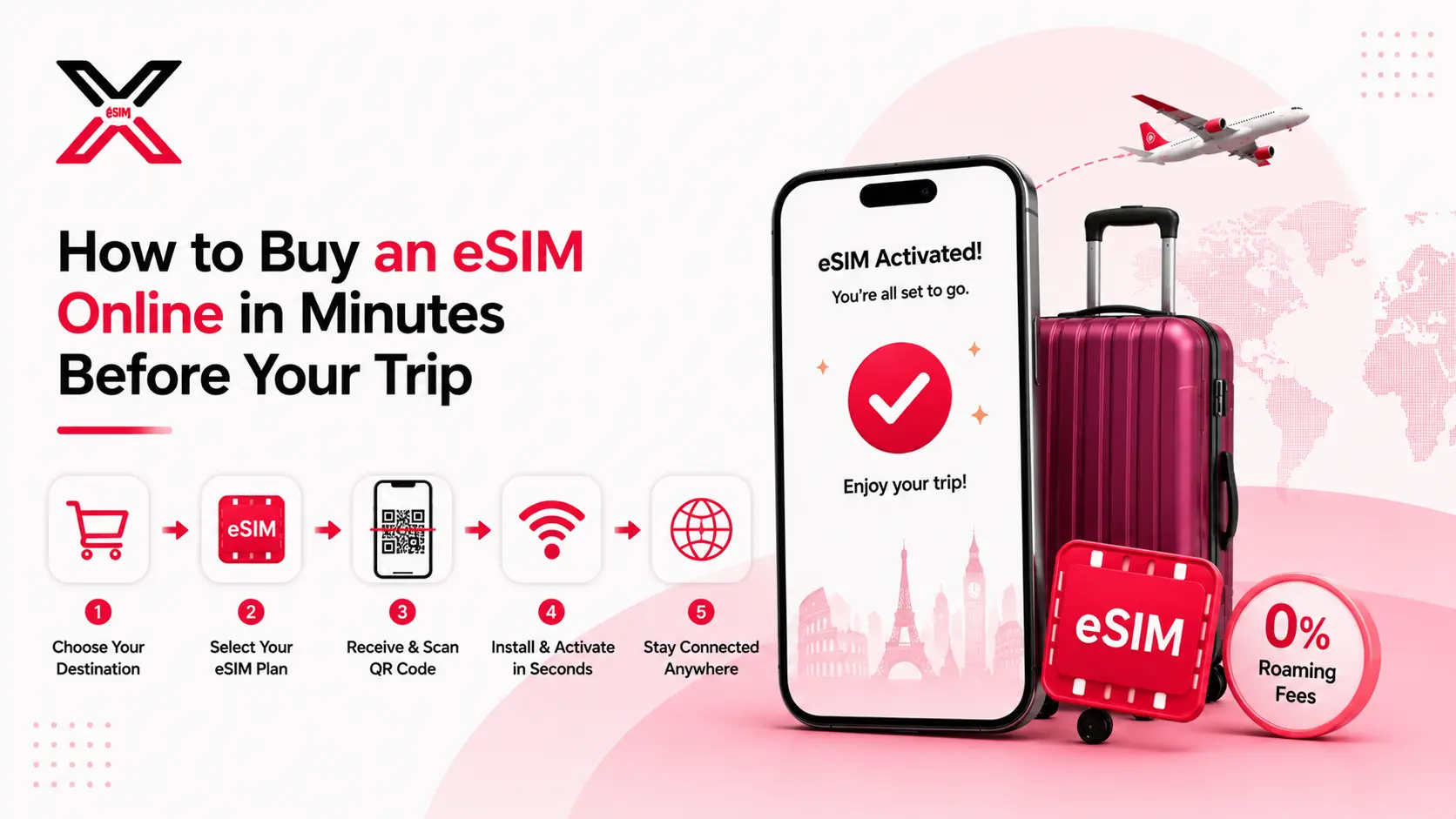
One of the easiest ways to prepare for mobile connectivity is to get your eSIM before you travel.
Instead of landing at the airport and searching for a physical SIM card, you can install your XenGo eSIM before departure and have your travel data ready for your journey.
And the best part?
XenGo China eSIM plans start from just $0.79.
Why Choose XenGo for Your China Trip?
- Plans from $0.79 — Get affordable mobile data for your China trip.
- No physical SIM card — Everything is digital.
- Prepare before you fly — Install your eSIM before departure.
- Easy travel setup — Avoid searching for a SIM store after landing.
- Keep your physical SIM — On compatible phones, you can keep your regular SIM while using XenGo for data.
- Stay connected while exploring — Use your data for navigation, translation, transportation, and communication.
Pro Tip: Install Your eSIM Before You Leave
Don't wait until you arrive in China to start setting up your eSIM.
Install your XenGo eSIM before your flight while you still have access to your regular internet connection.
Then, once you arrive, follow the activation instructions and switch your mobile data to the XenGo eSIM according to your phone's settings.
This gives you one less thing to worry about after a long international flight.
How Much Does a China Trip Cost?
The cost of traveling in China can vary significantly depending on where you go, when you travel, the type of accommodation you choose, and how you get around.
A backpacker staying in hostels and eating local food will have a very different budget from someone staying in luxury hotels and taking private transportation.
Budget Travel
Budget travelers can save money by choosing affordable accommodation, using public transportation, eating at local restaurants, and focusing on free or inexpensive attractions.
Mid-Range Travel
A mid-range traveler can enjoy comfortable hotels, high-speed trains, restaurants, paid attractions, and occasional taxis or ride-hailing services without going into luxury spending.
Luxury Travel
Luxury travel in China can include premium hotels, fine dining, private transportation, premium train classes, and exclusive experiences.
Major cities such as Beijing and Shanghai offer many options for travelers with larger budgets.
7 Practical China Travel Tips for First-Time Visitors
If this is your first trip to China, these simple tips can make your journey much easier.
1. Save Important Addresses in Chinese
Hotel names and destinations written in Chinese can be extremely useful when communicating with drivers or locals.
2. Prepare Your Apps Before Traveling
Download your essential travel, translation, navigation, transportation, and payment apps before your flight.
3. Don't Rely on One Payment Method
Keep a backup card or emergency cash available.
4. Carry a Power Bank
Your phone may be working overtime because of navigation, translation, photography, bookings, and payments.
5. Book Popular Attractions in Advance
Popular attractions and transportation can become busy during holidays and peak travel periods.
6. Learn a Few Basic Chinese Words
Knowing simple phrases such as hello, thank you, and numbers can make everyday interactions easier.
7. Get Your eSIM Before Your Flight
Having your XenGo eSIM ready before you travel means you can focus on your trip instead of finding a SIM card after landing.
A Simple 7-Day China Itinerary
If you have one week in China, you should avoid trying to visit too many destinations.
Here's a simple example itinerary for first-time visitors.
Day 1–2: Beijing
Start your trip in Beijing.
Explore the Forbidden City, Tiananmen Square, Temple of Heaven, and traditional neighborhoods.
Use another day to visit the Great Wall.
Day 3: Xi'an
Travel to Xi'an and explore one of China's most historic cities.
Visit the Terracotta Army and explore the ancient city area.
Don't forget to try local Shaanxi cuisine.
Day 4–5: Shanghai
Travel to Shanghai and experience modern China.
Visit the Bund, explore Yu Garden, walk around Nanjing Road, and enjoy the city's impressive skyline.
Day 6–7: Choose Your Experience
For the final two days, choose the destination that matches your interests.
- Chengdu — If you love pandas and spicy food.
- Guilin & Yangshuo — If you love nature and photography.
- More Shanghai — If you prefer shopping, food, and city life.
- More Beijing — If you want more history and cultural experiences.
What to Pack for China
Packing smart can make your trip much easier.
- Passport and required travel documents
- Smartphone with eSIM support
- XenGo China eSIM
- Power bank
- Universal travel adapter
- Comfortable walking shoes
- Any required medication
- Payment cards
- Small amount of emergency cash
- Offline copies of important travel information
Final Thoughts: Plan Smart, Travel Further
China is a destination that can offer something completely different every time you visit.
You can spend your morning walking through an ancient historical site, travel between cities on a high-speed train, enjoy incredible regional food for lunch, and finish the day surrounded by one of the world's most futuristic skylines.
The key to enjoying China is preparation.
Check your entry requirements, plan your route, prepare your payment methods, download the apps you'll need, and make sure you have reliable mobile connectivity before you arrive.
With XenGo China eSIM plans starting from just $0.79, staying connected doesn't have to be complicated or expensive.
Ready for your China adventure?
Get your XenGo China eSIM before you fly, install it in advance, and start your trip with your mobile data ready to go.
Explore XenGo China eSIM plans and stay connected wherever your journey takes you.
FAQ Section
Q: Do I need a visa to travel to China?
A: Visa and entry requirements depend on your nationality, passport, purpose of travel, and the current rules in place.
Always check the latest requirements with the relevant Chinese embassy or official immigration authorities before traveling.
Q: Can I use an eSIM in China?
A: If your smartphone supports eSIM and your XenGo China plan supports your destination and device, you can use an eSIM for mobile data.
Before purchasing, check your smartphone's eSIM compatibility.
Q: How much does a XenGo China eSIM cost?
A: XenGo China eSIM plans start from just $0.79.
Available plans, data allowances, and validity periods may vary, so check the current XenGo China plans before purchasing.
Q: Should I buy my China eSIM before traveling?
A: Yes. Buying and installing your eSIM before departure gives you time to complete the setup while you still have your normal internet connection.
It also means you don't have to search for a physical SIM card immediately after landing.
Q: Can I keep my normal SIM while using XenGo?
A: Many modern smartphones support dual-SIM functionality, allowing you to keep your regular SIM while using an eSIM for mobile data.
However, the exact functionality depends on your smartphone model and carrier.
Q: What are the best cities to visit in China?
A: For first-time visitors, Beijing, Shanghai, Xi'an, Chengdu, Guilin, and Yangshuo are excellent options.
Your ideal destination depends on your interests.
Choose Beijing and Xi'an for history, Shanghai for modern city life, Chengdu for food and pandas, and Guilin/Yangshuo for nature and scenery.
Q: Is mobile data important when traveling in China?
A: Yes.
Mobile data can make navigation, translation, transportation, bookings, communication, and travel planning much easier.
Having your eSIM prepared before your trip means you can focus on exploring instead of searching for connectivity after you arrive.